

Nut Savanna
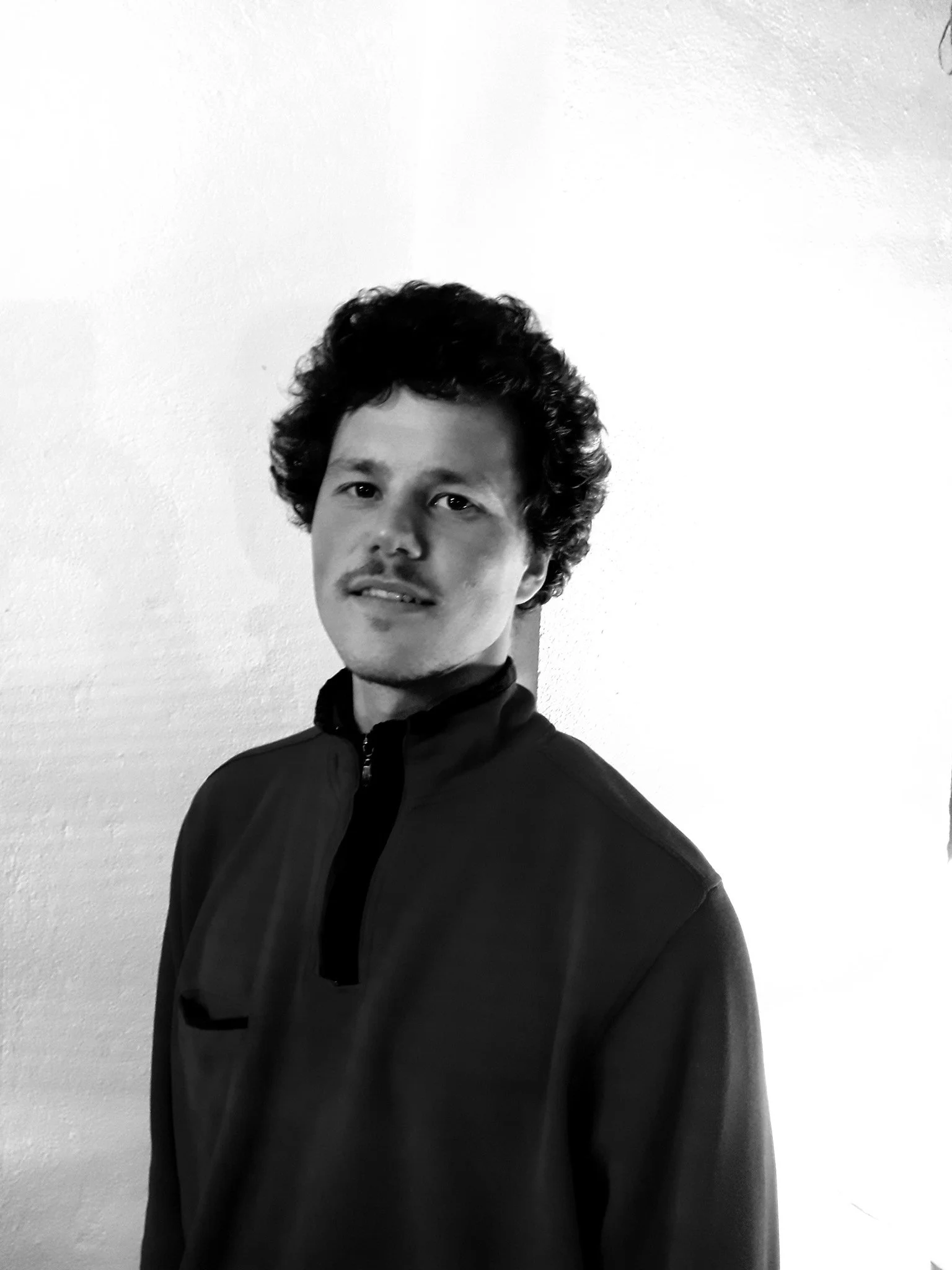
Teacher: Jens Hansen
We will create a Nut Savanna at Hyllegaard Høje - a space where nut trees grow alongside grasses and herbs in a natural, low-maintenance landscape.
This project will provide healthy food, support local wildlife, and improve the soil, creating a thriving ecosystem. The residents will help care for the nut savanna, ensuring it continues to grow and benefit both people and nature for years to come.
Learn More
-
A nut savanna is a simple and sustainable way to grow food while supporting nature. By combining scattered nut trees with grasses and other plants, it creates a low-maintenance, resilient system that improves soil, provides habitat for wildlife, and produces a steady harvest of nuts. It’s a practical way to combine food production with ecological benefits, making the land healthier and more productive for both people and the environment.
-
The goal of the Nut Savanna project is to create a productive, low-maintenance landscape that provides healthy food for the residents of Hyllegaard Høje, while supporting biodiversity and improving soil health.
The project also aims to engage the community in caring for the land, ensuring that the nut savanna continues to thrive and benefit both people and nature over time.
-
Hands-On Learning:
Learn about the different nut trees and soil health.Community Building: Connect with like-minded individuals who share a passion for sustainability and nature. Work together, share ideas, and build lasting relationships.
Fun and Rewarding Experience: Participate in a meaningful project that benefits both people and the planet.
-
Yes absolutly, you can take the same principels and apply it at your own place.
At the end of the festival you will be provided by materials from which you can learn more and start your own nut savanna.
About Jens
Jens has worked with permaculture since 2014, developing perennial growing systems and regenerative food landscapes. He combines practical and academic experience, with a focus on integrating grazing animals into orchards and agroforestry systems.
He has managed a small dairy herd using holistic grazing and worked with livestock in fruit orchards, gaining hands-on insight into the balance between trees and animals.
Today, he is part of Skovvirke, a network of permaculture farms, where they also run Permakulturskolen for young people.
Explore the other Positive Trace Projects
-

Food Forest
Learn hands-on how to construct a food forest based on Permaculture principles. The goal is to make resilient, low-maintenance systems that will be an example of “Use and value diversity” which you can implement in your own home.
-

Marked Garden
Learn how to design and create a marked garden, where you will explore practical planning skills, simple layout techniques, and planting methods based on regenerative gardening practices.
-

Increase Biodiversity
Learn how to support and create different habitats for small insects and mammals by imitating natural processes in a manipulated system. We will also increase the native vegetation.