
Biodiversity Belt
At the Positive Trace Festival, we will bring more biodiversity to Hyllegaard Høje and connect with other garden projects like the forest and market gardens. The aim is to invite more species into the mosaic landscape and make it both beneficial for the wildlife, the gardens and people.
This project is developed and carried out in collaboration with Krat & Ko, a Danish contractor company specializing in hands-on biodiversity initiatives. With a strong focus on practical solutions, they work to enhance natural habitats and support a greater diversity of plant and animal life.


Increase Biodiversity
Teacher: Marie Gravesen from Krat & Ko
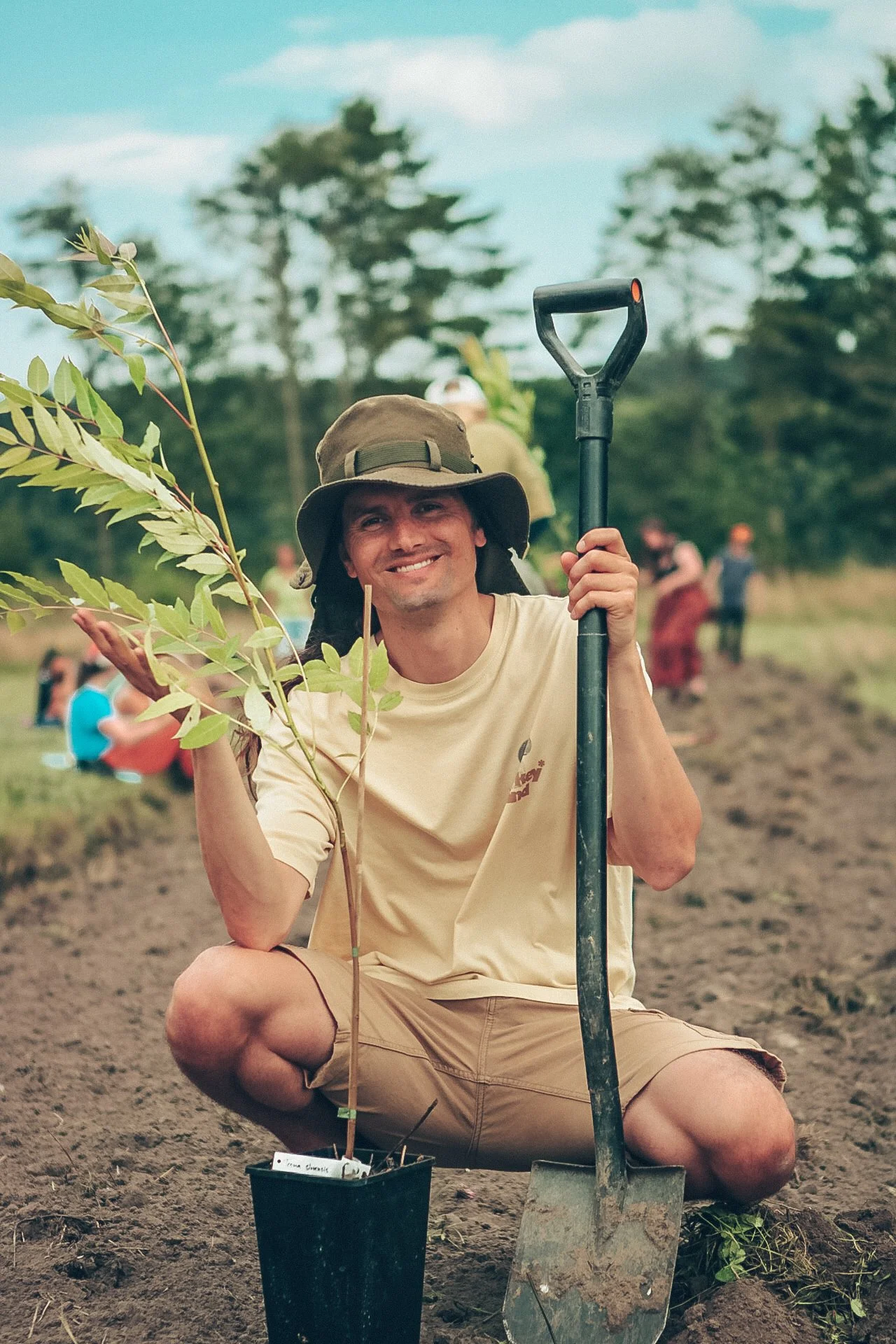
In this hands-on project, we will establish a biodiversity belt by planting a diverse range of native trees and shrubs. The selected species are hardy and well-suited to thrive with minimal maintenance. Many are chosen for their ecological value—as host plants for insects, vital food sources for pollinators, or providers of berries and nuts for both wildlife and people.
The planting design varies across the landscape: large solitary trees such as oak and linden will be placed in open areas, while the forest edge will feature a mix of medium-sized trees and shrubs. Along the rainwater channel, groups of shrubs will be planted to create natural “rooms” and varied habitats. In wetter areas, we will establish a small grove of birch and alder.
We will also work on opening up the forest edge to create a more dynamic transition zone, allowing more light to reach existing vegetation and increasing biodiversity.
To support wildlife further, we will gather stones from the site to build toad shelters near the pond, and place logs already found in the area to create habitats for fungi, insects, amphibians, and small mammals.
Join us in creating lasting, living ecosystems that will continue to grow and support biodiversity long after the festival ends
About Marie
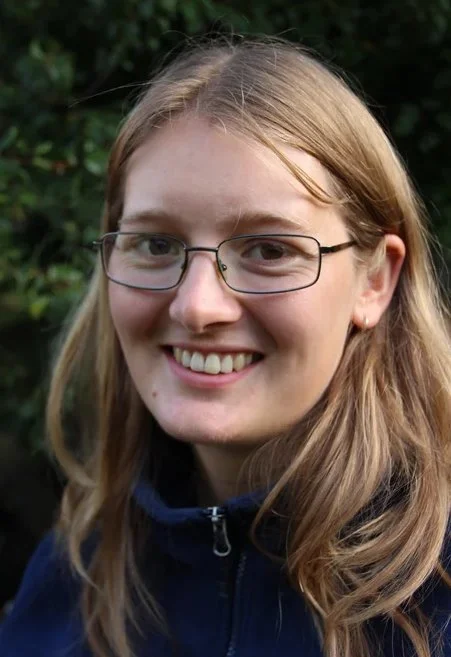
Marie is the founder and co-owner of Krat & Ko. She has studied geography and practical landscape management, and has also worked as a landscape gardener. Marie has extensive experience in the establishment and maintenance of natural areas, including working as an animal keeper.

Native Seed Collection
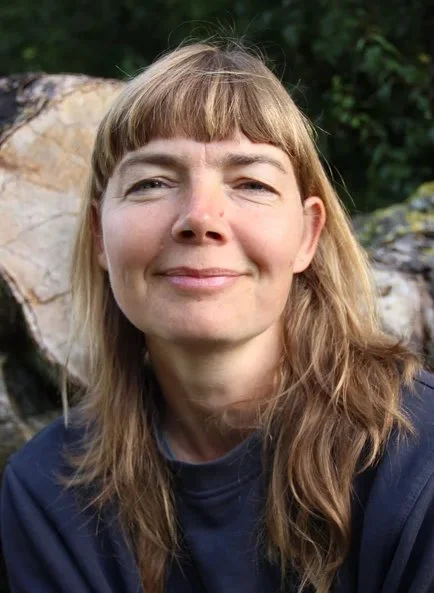
Teacher: Elvira Rio-Hattesen from Krat & Ko
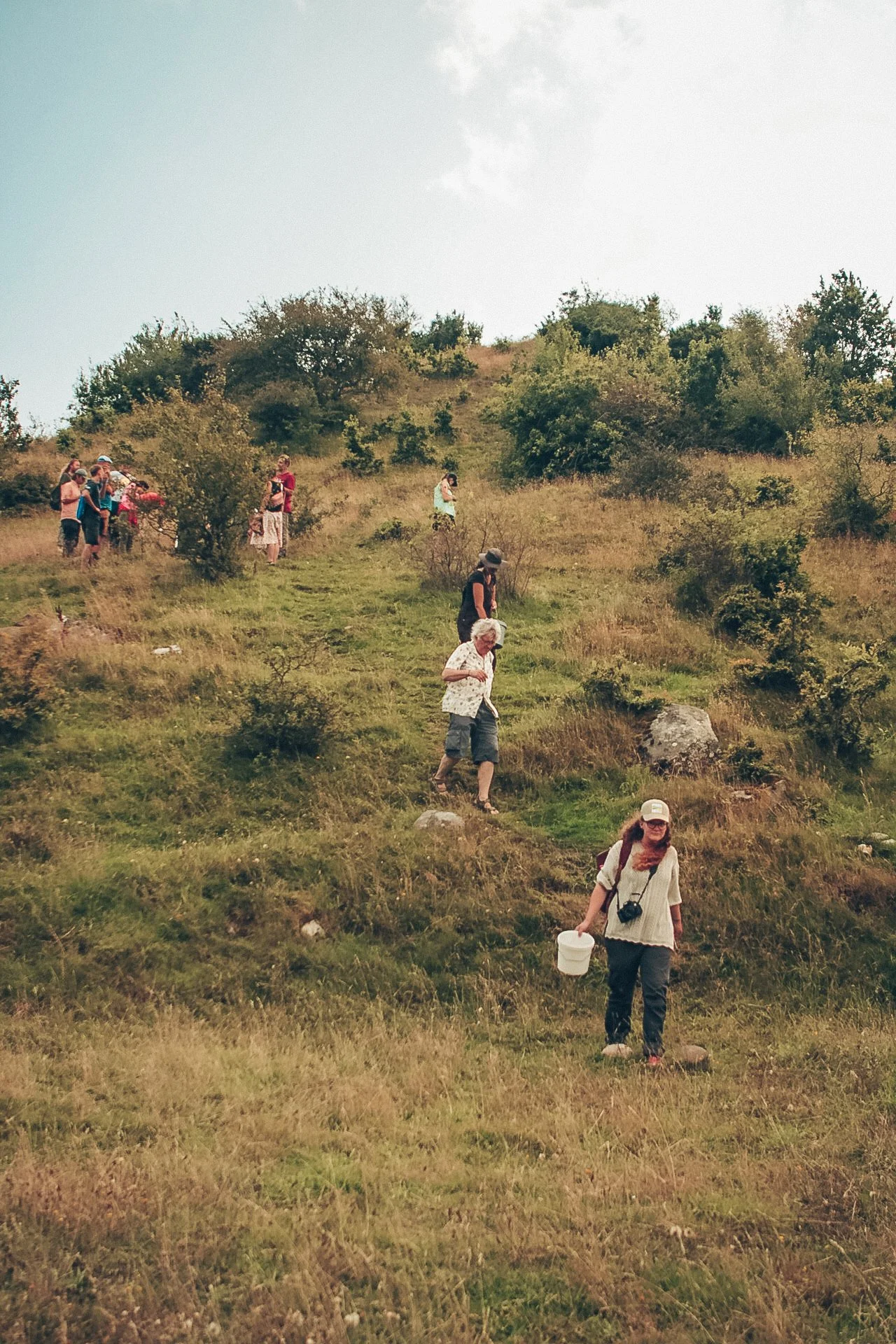
The workshop will focus on restoring an ancient ecological function of the grassland ecosystem where is has been lost: the dispersal of plant seeds over large distances carried out by large herbivores.
During the workshop, we will take a walk to surrounding areas with higher biodiversity. As we explore, we will collect seeds and engage in discussions about the various species we encounter. Moreover, we will emphasize the significance of restoring this lost ecological function of seed dispersal throughout the landscape.
We will bring the seeds back and sow them on the land so they can act like seed banks and help increase the biodiveristy of the area.
About Elvira
Elvira holds a degree in Forest and Landscape Engineering from the Forest School in Nødebo and has experience in nature management and environmental law, including grazing. After three years at Krat & Ko, she is also highly skilled in handling a wide range of practical tasks.
Learn More
-
This project is important because it actively supports local biodiversity by creating safe, thriving habitats for insects and small mammals. Many species such as hedgehogs, wrens, and solitary bees are declining due to habitat loss, pesticide use, and urban development. By imitating natural processes and increasing plant diversity, the project helps restore the balance of local ecosystems.
The habitats created through this project provide shelter, food sources, and breeding spaces for essential species that play a crucial role in pollination, pest control, and soil health. In turn, this strengthens the overall resilience of the environment and contributes to a healthier, more sustainable landscape.
-
The goal of the project is to increase local biodiversity by creating and improving habitats for insects and small mammals. It aims to teach practical, hands-on techniques that mimic natural processes, such as increasing plant diversity and building structural features like shelters and layered barriers.
Through these actions, the project seeks to attract and support species such as hedgehogs, wrens, and solitary bees, while empowering people to implement simple, effective conservation solutions on their own land.
-
Getting your hands dirty!
Hands-On Learning: Gain practical experience in how to increase bidiversity in a landscape. You’ll learn both the principles and techniques.
Community Building: Connect with like-minded individuals who share a passion for sustainability and nature. Work together, share ideas, and build lasting relationships.
Fun and Rewarding Experience: Participate in a meaningful project that benefits both people and the planet.
-
Yes absolutly!
At the end of the festival you will be provided by materials from which you can learn more on how to trasfer the knowladge and build your own small wildlife habitats or which plants to cultivate on your own land.
Explore the other Positive Trace Projects
-

Food Forest
Learn hands-on how to construct a food forest based on Permaculture principles. The goal is to make resilient, low-maintenance systems that will be an example of “Use and value diversity” which you can implement in your own home.
-

Marked Garden
Learn how to design and create a marked garden, where you will explore practical planning skills, simple layout techniques, and planting methods based on regenerative gardening practices.
-

Nut Savanna
Help plant a nut savanna – a productive, low-maintenance landscape of nut trees, grasses, and herbs. Learn how to grow delicious nuts while supporting biodiversity, improving soil, and creating wildlife habitat.