

Forest Garden
Teacher: Cathrine Dolleris
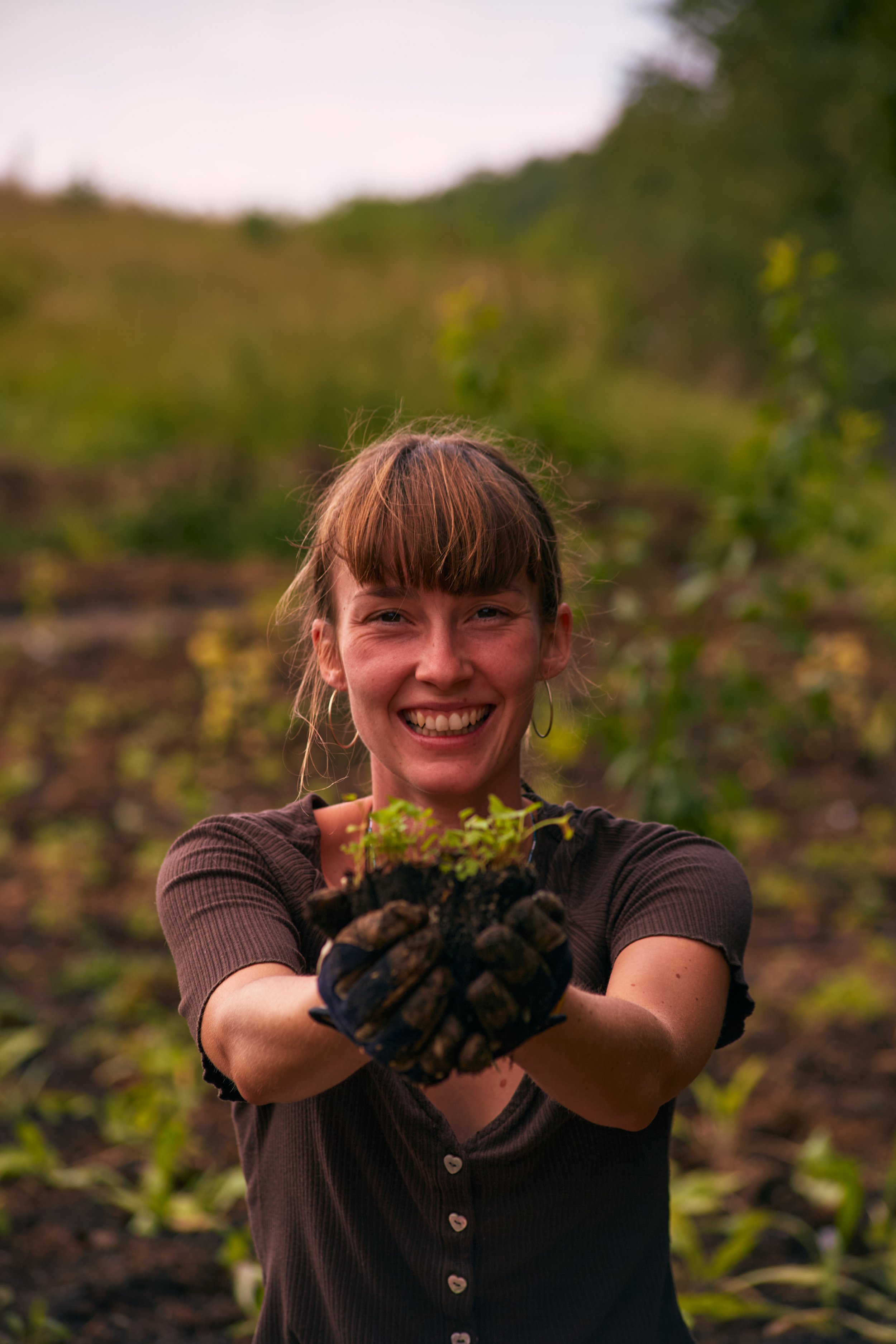
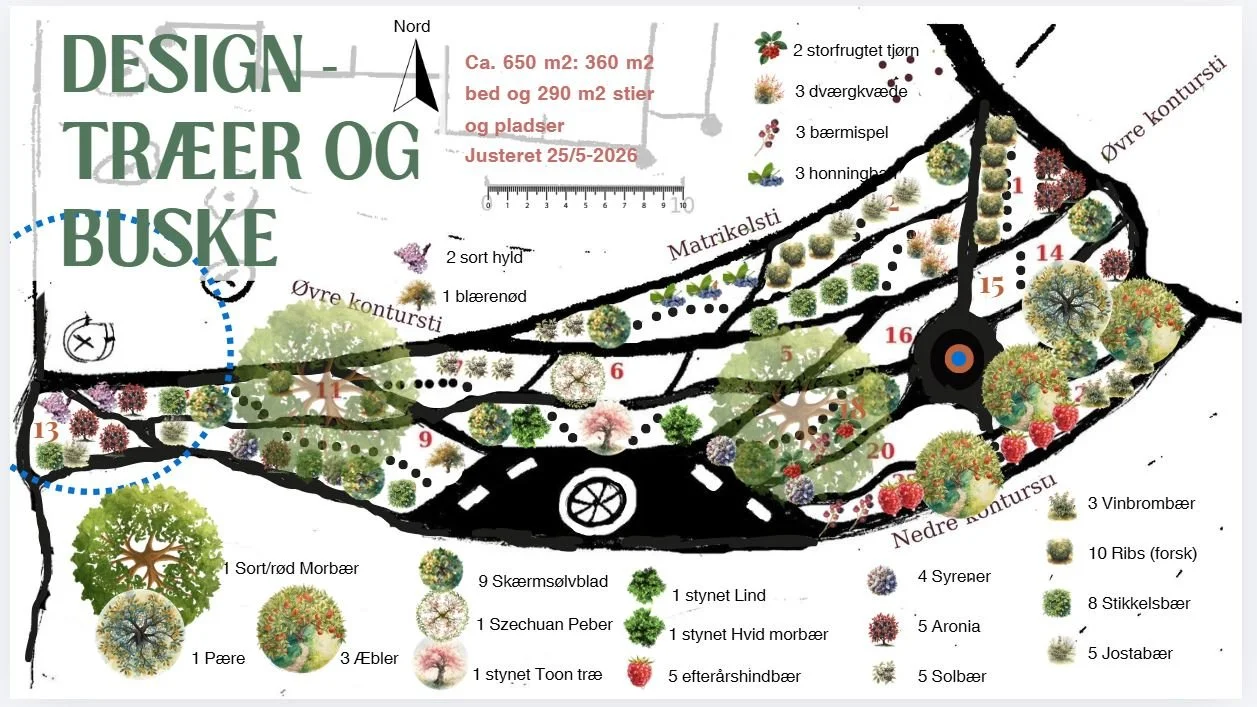
Join this hands-on workshop and help establish a food forest based on permaculture principles—working with nature rather than against it. Together, we will plant fruit trees, berry bushes, herbs, and perennial vegetables, while creating a diverse, layered ecosystem that supports both people and wildlife.
The goal is to create a regenerative system that restores nature, stores CO₂, and provides food year after year with minimal maintenance. We will focus on building healthy soil, encouraging biodiversity, and designing a landscape rich in edible plants, textures, and seasonal experiences.
The food forest will become a space for harvesting, learning, and exploring for all of the people living at Hyllegaard Høje - offering abundant food, vibrant plant life, and a living example of how diversity creates resilience.
Learn More
-
A Food Forest based on permacultural principles is a designed agricultural system that mimics the structure and function of a natural forest. It aims to create a sustainable, self-sufficient ecosystem that produces a variety of foods and other resources.
-
A permaculture garden is a sustainable, eco-friendly gardening system that mimics natural ecosystems. It aims to create a self-sustaining environment where plants, animals, and humans can thrive together. Here’s what defines a permaculture garden:
Diverse Plant Layers: Includes multiple layers of vegetation, from tall trees to ground covers, to maximize space and biodiversity.
Polyculture: Uses a variety of plants together to create a resilient ecosystem, unlike traditional monoculture.
Perennial Plants: Focuses on long-lived plants that provide ongoing yields with minimal maintenance.
Natural Processes: Emulates natural processes like nutrient cycling, water retention, and pest control.
Sustainable Practices: Utilizes composting, mulching, and rainwater harvesting to reduce waste and conserve resources.
Integrated Design: Incorporates beneficial relationships between plants, animals, and the environment for mutual support and productivity.
-
A permaculture food forest aims to create a balanced, productive ecosystem that requires minimal external inputs and maintenance while providing a diverse array of yields. By closely mimicking natural forests , these gardens can be both ecologically sustainable and highly productive.
This food forest will be a recreational space and offer value to the local villagers of Hyllegaard Høje.
-
Getting your hands dirty!
Hands-On Learning: Gain practical experience in permaculture principles and techniques. You'll learn about site assessment, soil preparation, plant selection, and sustainable gardening practices.
Community Building: Connect with like-minded individuals who share a passion for sustainability and nature. Work together, share ideas, and build lasting relationships.
Fun and Rewarding Experience: Enjoy the satisfaction of seeing the forest garden grow and flourish. Participate in a meaningful project that benefits both people and the planet.
-
Yes absolutly, you can create a food forest at home, even in a small backyard or urban setting.
At the end of the festival you will be provided with recommendations for materials from which you can learn more and create a thriving food forest at home that provides a sustainable source of food, beauty, and habitat for wildlife.
About Cathrine
Cathrine Dolleris has worked with forest gardens since 2014, when she created her own on Orø, where she now lives a self-sufficient life close to nature.
She teaches permaculture and co-founded the Nordic Permaculture Academy. With a background in geography and natural resource management, she has worked in countries such as South Africa, Nepal, and Vietnam.
For Cathrine, caring for the Earth is essential, and she is deeply inspired by the interconnectedness of all living systems.

Explore the other Positive Trace Projects
-

Increase Biodiversity
Learn how to support and create different habitats for small insects and mammals by imitating natural processes in a manipulated system. We will also increase the native vegetation.
-

Marked Garden
Learn how to design and create a marked garden, where you will explore practical planning skills, simple layout techniques, and planting methods based on regenerative gardening practices.
-
Nut Savanna
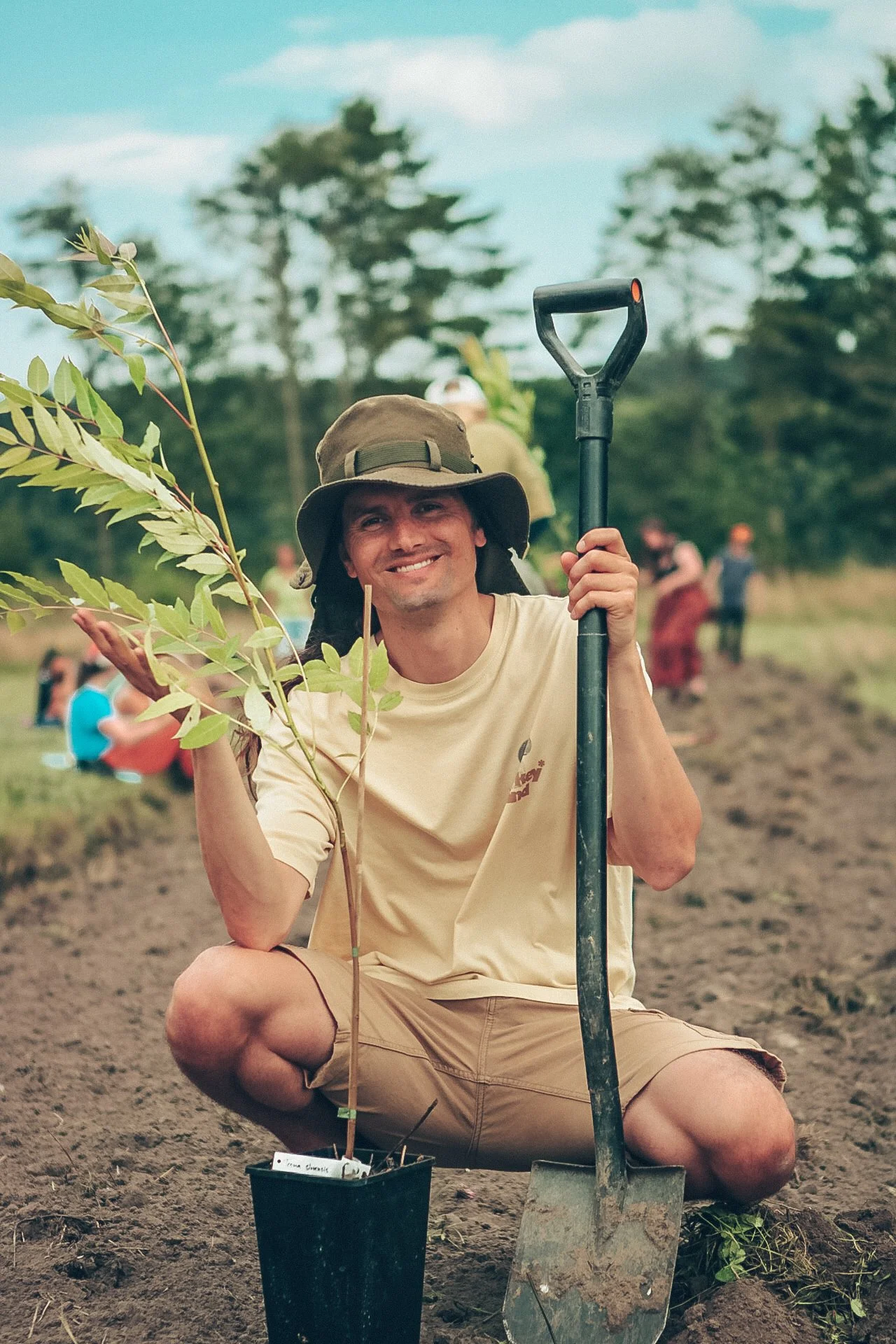
Help plant a nut savanna – a productive, low-maintenance landscape of nut trees, grasses, and herbs. Learn how to grow delicious nuts while supporting biodiversity, improving soil, and creating wildlife habitat.